Bedding · Comfort & care
Wool Comforters and Temperature Balance: What Sleepers Should Know
A comforter should feel cozy without turning bedtime into a nightly negotiation with the thermostat. Wool is often praised for helping manage warmth and moisture, but the way it feels depends on more than the fiber inside. Weight, construction, room conditions, sheets, and personal preferences all shape the experience.
Published November 3, 2026
There is a particular kind of frustration that comes with waking up too warm beneath a comforter, throwing it aside, then reaching for it again a few minutes later. Bedding that feels pleasant at bedtime can become uncomfortable as the night unfolds, especially when room temperatures change or the sleeper tends to run hot. Wool comforters appeal to people looking for a more balanced-feeling bed: insulating enough to feel inviting, yet capable of managing moisture rather than simply trapping it against the body.
That promise deserves a closer look. Wool is a natural fiber with properties that can contribute to comfort, but it is not a temperature-control device, and no comforter can guarantee that every sleeper will feel cool or warm in the same conditions. The fiber, fill quantity, stitching, outer fabric, and the rest of the bedding work together. Understanding those details can help you decide whether wool suits your preferences—and how to care for it once it is on the bed.
What people mean by temperature balance
Temperature balance is not necessarily the same thing as feeling cool. It means the bed feels reasonably comfortable over the course of the night, without excessive warmth, clamminess, or repeated adjustments to the covers. Individual experience varies. Body temperature, sleepwear, room humidity, mattress materials, the number of people sharing a bed, and even seasonal changes can all affect how warm a comforter feels.
Moisture matters, too. Sleepers naturally release moisture, and a bedding system that feels damp or close against the skin may seem warmer and less comfortable. A breathable sleep setup can help moisture move away from the sleeper and disperse, although the comforter is only one part of that system. Sheets, mattress protectors, pajamas, room ventilation, and the mattress surface also play a role.
Wool’s reputation comes partly from its ability to insulate while also interacting with moisture. This does not mean wool actively cools the body or keeps a bedroom at a fixed temperature. Rather, its structure and the way it is used in bedding may help create a less stuffy feel for some sleepers compared with a dense, poorly ventilated layer. The result depends on the product’s design and the conditions in the room.
How wool can support a more comfortable bed
Wool fibers have a naturally crimped structure. In bedding, the spaces within and between fibers can hold air, contributing to insulation. That can make a wool-filled comforter feel pleasantly warm when the room is cool. At the same time, wool can absorb and release moisture vapor, which is one reason it is often considered for bedding intended to feel comfortable across changing conditions.
It is worth keeping the language measured: moisture management does not mean a wool comforter will stay dry under every circumstance or prevent sweating. Nor does it mean the fill will make a hot room feel cool. The practical question is whether the comforter’s combination of insulation, breathability, and weight suits the sleeper and the climate. A person who sleeps warm in a heated room may need a lighter construction than someone who is often cold in a drafty bedroom.
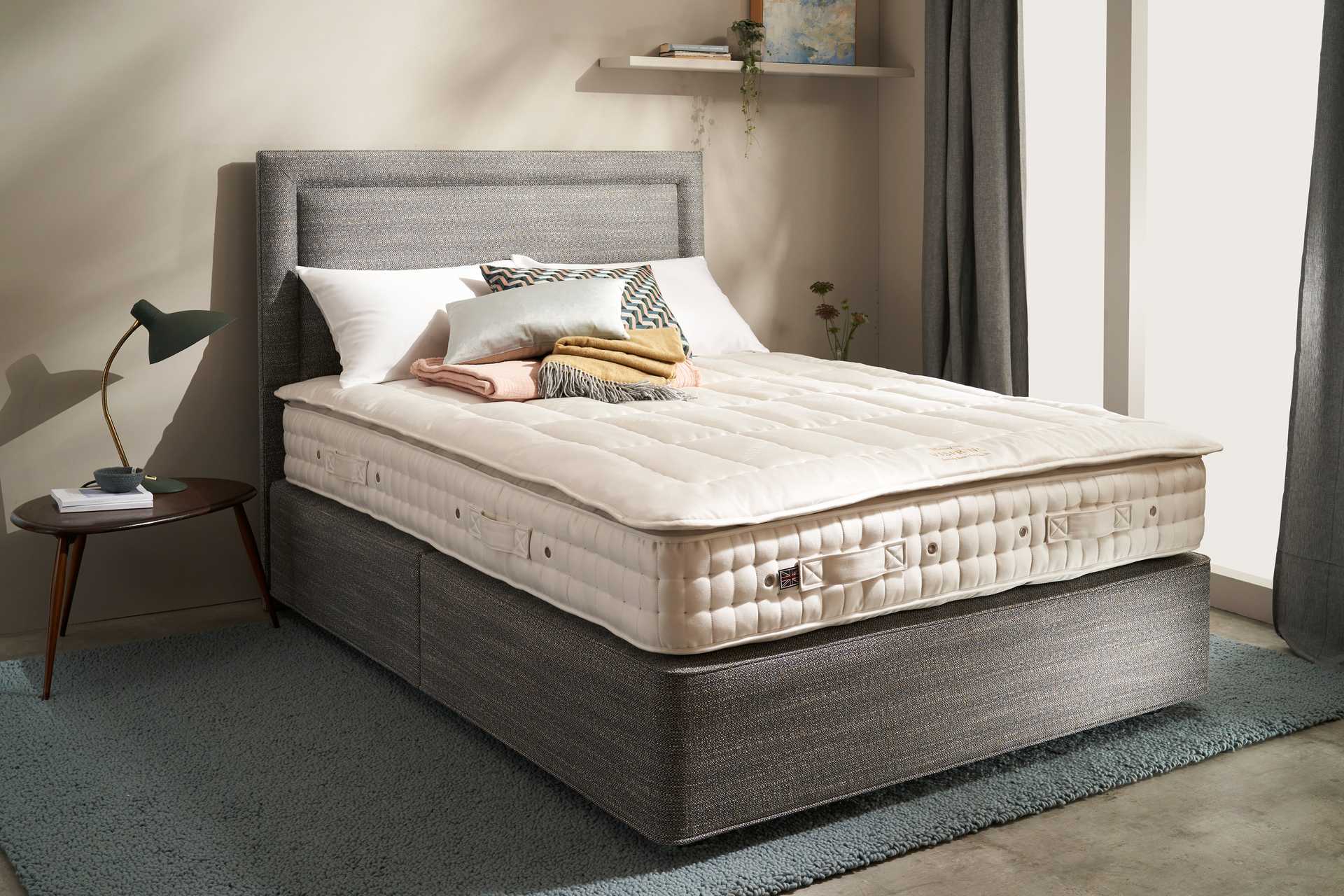
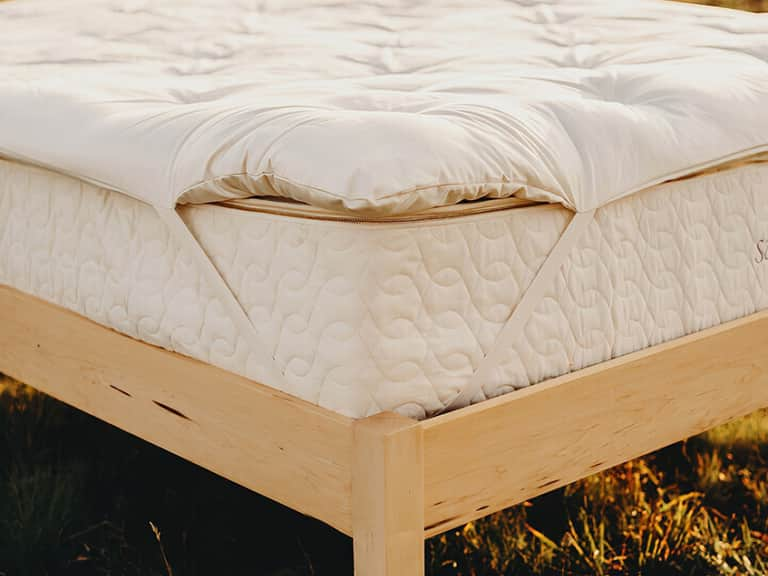
Wool is also used in products beyond comforters, including mattress toppers and some mattress layers. Those items sit closer to the body and can influence the feel of the sleep surface, but they are not interchangeable with a comforter. If temperature is the concern, consider the whole bed rather than assuming that adding another wool layer will automatically improve comfort. More layers may add warmth, weight, or bulk, depending on their construction.
Why weight and construction matter as much as fill
“Wool comforter” describes a category, not one uniform sleep experience. Two comforters made with wool can feel quite different because the amount of fill, the way it is distributed, and the design of the shell all influence warmth and drape. A lofty, generously filled option may feel substantially warmer than a lighter one, even when both use the same broad fiber type.
- Fill weight: More fill generally means more insulation and a heavier feel, though design and fiber quality also matter.
- Construction: Quilting or compartmentalized stitching helps keep fill in place. The pattern may affect how evenly the comforter lies and whether thin or dense areas develop.
- Outer fabric: The shell contributes to softness, breathability, durability, and how easily air and moisture move through the bedding.
- Drape and heft: Some sleepers enjoy a substantial cover; others find weight restrictive or too warm. Comfort is personal, not a simple measure of quality.
- Seasonal design: Lightweight, all-season, and heavier options may be intended for different climates or preferences. Labels are useful starting points, not a substitute for checking specifications.
Pay attention to care instructions and product details rather than relying on the word “natural” or “all-season” to tell the whole story. If a listing provides the fill weight, dimensions, shell fiber, and recommended cleaning method, those details can offer a clearer sense of what you are considering. When information is missing, ask the maker or retailer before assuming that the comforter will suit a particular temperature preference.
Choosing a wool comforter for your sleep preferences
Start with the problem you want to solve. Is your current comforter too hot throughout the year, or only during warmer months? Do you feel chilly in the morning but comfortable at bedtime? Are you looking for a lighter cover, or do you specifically enjoy a cozy, weightier feel? A brief note of how your bed feels over several nights can help separate a persistent issue from an occasional change in weather or room conditions.
Then consider the environment. A well-heated apartment may call for a different level of insulation from a cool bedroom with limited heating. Humidity and airflow matter as well: a stuffy room can make many bedding materials feel less comfortable. If the room itself is warm, switching to a lighter comforter, breathable sleepwear, or lighter sheets may be more useful than seeking a heavier comforter with a particular fiber.
Think about who shares the bed. Partners may have different temperature preferences, and a comforter that feels ideal to one person may leave the other too warm or too cold. Separate covers, adjustable layers, or a lighter shared comforter can sometimes be simpler than trying to find one option that meets two very different needs.
Before buying, check the following:
- Is the comforter intended to be lightweight, medium-weight, or especially warm?
- Does the manufacturer specify fill weight, dimensions, and shell material?
- Can the comforter be washed at home, or does it require specialist cleaning?
- Are you sensitive or allergic to wool, lanolin, dust, or another material used in the product?
- Will its size and drape suit your bed, and can you comfortably manage its weight?
- Does the return policy allow you to assess it at home, and are there care or use conditions?
Allergies, sensitivities, and practical comfort
Natural fibers are not automatically suitable for every sleeper. Some people are sensitive to wool itself, while others may react to lanolin, dyes, finishes, detergents, or dust that accumulates in bedding. A wool comforter may also feel scratchy if fibers can be felt through the shell or if the outer fabric does not suit the user. The shell is an important part of the experience, so consider its material and texture as carefully as the fill.
People with diagnosed allergies or persistent skin irritation should not assume that a product’s natural or hypoallergenic marketing language guarantees a reaction-free experience. If you have a known sensitivity, review the full material information and consult a qualified healthcare professional when needed. For general household cleanliness, a duvet cover can provide a washable barrier and help protect the comforter from everyday soil, though it will not remove the need to follow the care label.
Wool is sometimes described as naturally resistant to odors or microbes. Such claims should not be taken to mean that wool bedding is self-cleaning or that it cannot collect allergens, body oils, or dust. Regular airing and appropriate laundering or professional care remain important. Check the specific product’s instructions: wool can shrink, felt, or lose its shape when exposed to unsuitable heat, agitation, or washing methods.
How to layer wool with sheets and other bedding
A comforter works as part of a bedding arrangement, not in isolation. Start with sheets that feel comfortable against your skin and suit the season. Lightweight, breathable sheets may help the bed feel less enclosed; a thick flannel set, a mattress protector, and a heavy comforter together can create a much warmer setup than any one item alone. If the bed feels too hot, try changing one layer at a time so you can tell what makes a difference.
A duvet cover can make a wool comforter easier to keep clean and can change the surface feel. The fabric and weave of that cover matter: a dense or brushed cover may feel warmer than a light, smooth one. Similarly, a mattress pad or topper can alter the temperature and cushioning of the sleep surface. When troubleshooting, do not overlook these layers or the room’s ventilation.
Try a simple, gradual approach. Use the wool comforter with your usual sheets for several nights, then adjust one element—such as removing an extra blanket or switching to a lighter cover. Keep the room temperature and sleepwear as consistent as practical. This is not a formal test, but it can help you understand whether the comforter, the bedding combination, or the bedroom environment is behind the discomfort.
Care that helps a comforter last
Wool comforter care varies by construction and manufacturer. Some products may be spot-cleaned or aired, while others have specific professional-cleaning requirements. Never assume that a comforter can go into a standard washing machine simply because another wool item can. High heat, strong agitation, or unsuitable detergents may damage the fibers, shrink the fill, or distort the comforter’s shape.
Use the care label as the final word, and keep it accessible. A washable duvet cover can reduce direct contact with perspiration and everyday dirt, helping the comforter stay cleaner between more involved care. Airing it in a dry, well-ventilated space may help freshen bedding, but avoid prolonged exposure to intense sun or damp conditions unless the manufacturer’s guidance says otherwise.
Store a wool comforter only when it is fully dry. A breathable storage bag is generally a more sensible choice than sealing damp bedding in plastic, where trapped moisture can create unpleasant odors or damage. Avoid compressing it for long periods if that could crush the fill. Before seasonal storage, make sure it has been cleaned according to instructions and is protected from dust and pests.
Common misconceptions about wool comforters
“Wool always sleeps cool.”
Wool’s ability to manage moisture does not make every wool comforter cool. A thick, high-fill comforter can be very warm. Consider fill quantity, construction, shell, and bedroom conditions together.
“Natural means maintenance-free.”
Natural fibers still need appropriate care. The wrong wash cycle or drying method can damage wool, and bedding should be cleaned or aired as directed.
“One comforter will suit every season and sleeper.”
Temperature preferences vary widely. A single all-season comforter may work well for some households, while others prefer lighter and heavier options or adjustable layers.
“Wool can fix a hot bedroom.”
No comforter can compensate for every environmental factor. If a room is consistently warm or poorly ventilated, addressing room conditions may be just as important as changing the bedding.
The bottom line
Wool comforters can be worth considering if you want insulation with moisture-managing qualities and appreciate the feel of natural-fiber bedding. Their performance, however, is not determined by the word “wool” alone. Fill weight, quilting, shell fabric, care requirements, bedroom temperature, and the other layers on the bed all help shape whether a comforter feels balanced to you.
For the best chance of finding a comfortable match, begin with your own sleep habits. Look for clear product specifications, take sensitivities seriously, and check the care label before buying. If your bed feels too warm, make changes one at a time—including sheets, extra blankets, and room airflow—rather than expecting a single material to solve every issue. A comfortable night is usually the result of a thoughtful combination, not a miracle fiber.